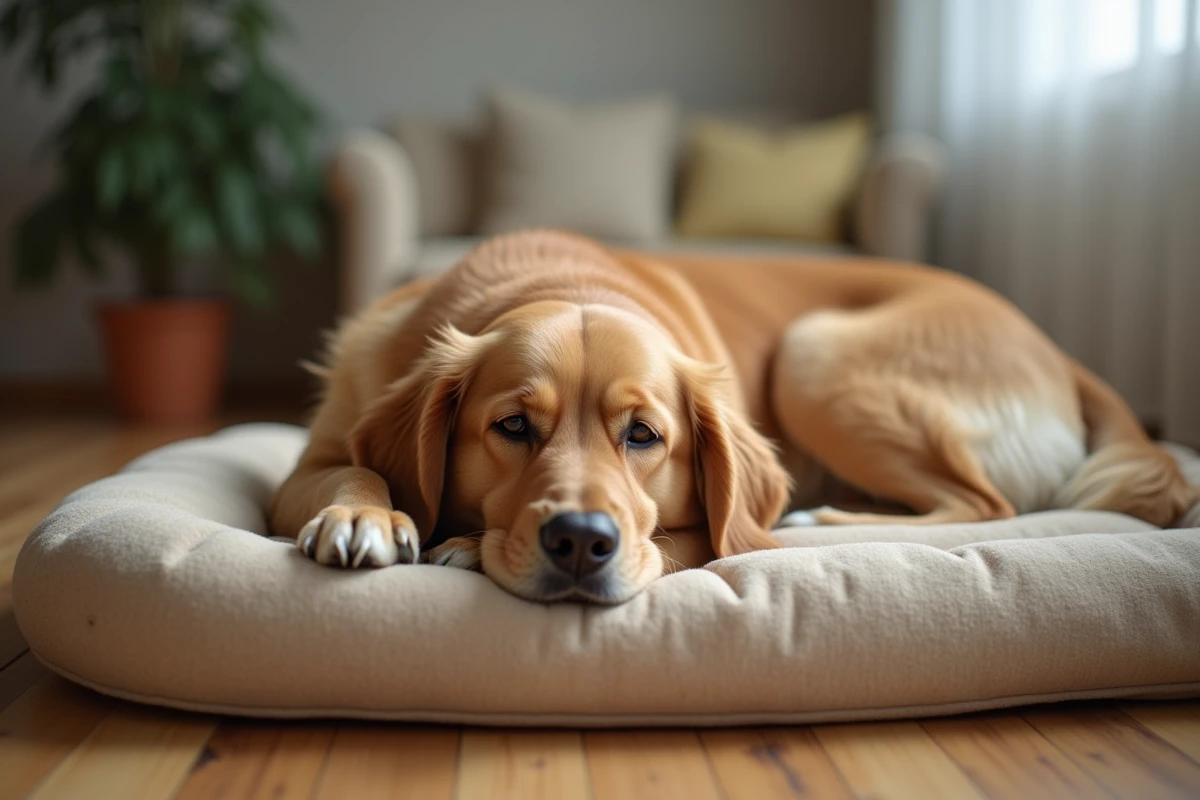
Grooming generates a nervous expenditure in dogs that is often underestimated by owners. An animal that returns apathetic, refuses its food bowl, or seeks to isolate itself is not throwing a tantrum: it is showing a sensory and emotional overload whose mechanisms deserve careful examination.
Neurosensory overload during grooming: what the dog’s nervous system endures
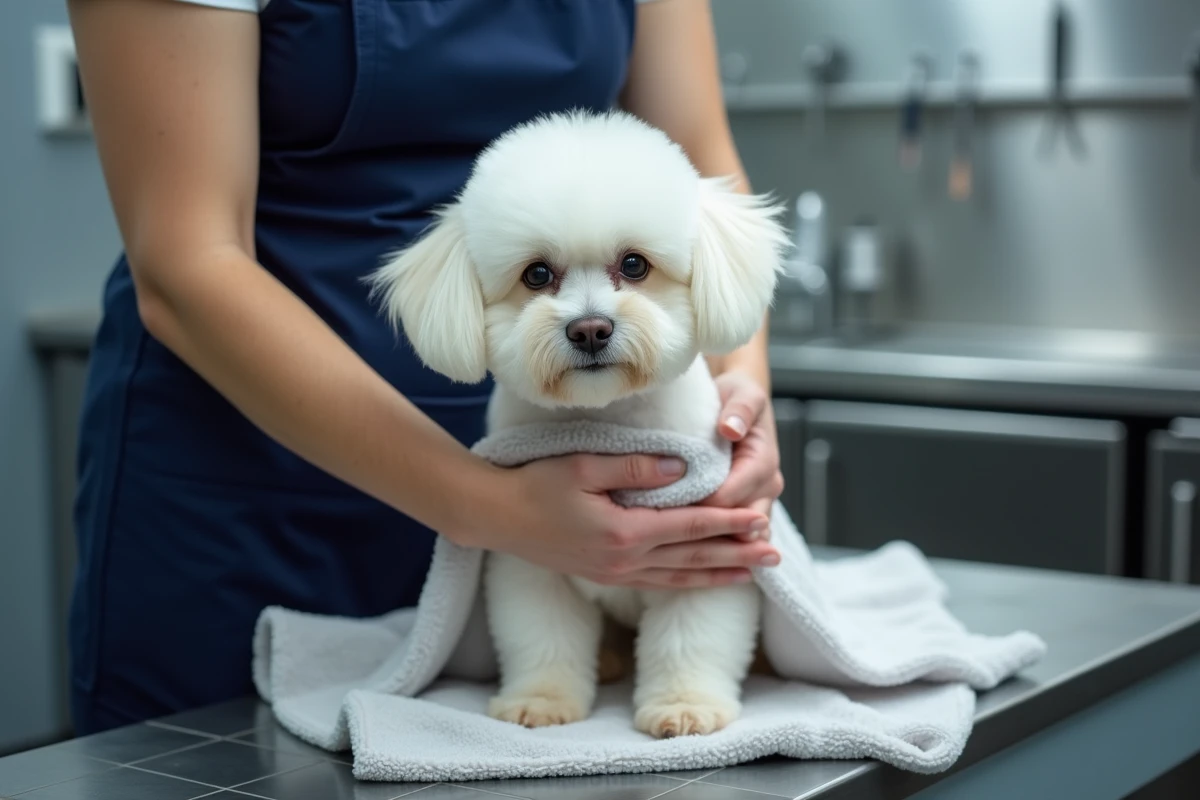
The dog processes multiple aversive stimuli simultaneously during a session: the noise of the dryer (high frequencies poorly tolerated by the canine ear), vibrations from the clippers against the skin, jets of water, concentrated odors from cosmetic products, and manipulations of sensitive areas (ear flaps, pads, perineal region). Each of these stimuli activates the hypothalamic-pituitary-adrenal axis and causes cortisol secretion.
What distinguishes grooming from a simple stressful walk is the duration of restraint. The animal remains on an elevated table, sometimes tied with a noose, for an extended period. It cannot flee or explore, which blocks its two main behavioral adaptation strategies.
We regularly observe that dogs that are already anxious or not used to invasive handling show signs of emotional burnout at the end of the session: repeated yawning, social withdrawal, marked apathy. This phenomenon resembles post-adrenaline fatigue, comparable to the exhaustion a human feels after an intense stress episode.
As described by a depressed dog after grooming according to Animal News, this post-session fatigue is a documented physiological phenomenon that affects a notable proportion of dogs, not just those breeds known for being nervous.
Alteration of the skin microbiota and dermatological discomfort after bathing
A rarely addressed angle in mainstream content concerns the skin itself. Veterinary dermatologists emphasize that each bath temporarily alters the dog’s skin microbiota, even with shampoos formulated as “ultra gentle.” The protective lipid film is partially dissolved, and the surface bacterial flora takes several hours to reconstitute.
In dogs with atopic or sensitive skin, this disruption causes diffuse discomfort: mild itching, tightness, and a feeling of dryness. The animal cannot verbalize this discomfort, but it manifests as restlessness followed by prostration, moderate scratching, or compulsive licking of certain areas.
Close clipping exacerbates the phenomenon. Skin that is usually protected by a dense undercoat becomes exposed to drafts, fabric friction, and temperature variations. The dog perceives unusual skin sensations, contributing to its “weird” or prostrate behavior.
Breeds and dermatological profiles most exposed
- Double-coated dogs (Australian Shepherd, Husky, Golden Retriever) experience a more pronounced thermal and sensory shock after clipping, as their undercoat plays a role in active thermoregulation.
- Brachycephalic breeds (French Bulldog, Pug) often combine wrinkled skin prone to irritation with respiratory sensitivity to the stress of the dryer.
- Atopic dogs or those under dermatological treatment have an already weakened skin barrier, and grooming constitutes an additional assault on their microbiome.
Associative memory and amplified fatigue in dogs with a heavy medical history
Several groomers and dog trainers note a phenomenon of contextual memory in the field. A dog that has undergone anesthesia, hospitalization, or a painful episode more easily associates the grooming table, product odors, and restraint with these negative experiences.
This association leads to anxious anticipation upon arriving at the salon. The dog mobilizes its nervous resources even before the session begins, which explains why some animals seem disproportionately exhausted compared to the actual duration or intensity of the grooming.
The decreased appetite and prolonged need for sleep that follow are not signs of clinical depression. They represent a post-stress recovery comparable to a state of shock, which generally resolves within a few hours. If these signs persist beyond 24 to 48 hours, veterinary advice is necessary to rule out an underlying medical cause (joint pain revealed by handling, skin irritation, ear infection triggered by water in the ear canal).
Low-stress grooming protocols: reducing post-session fatigue
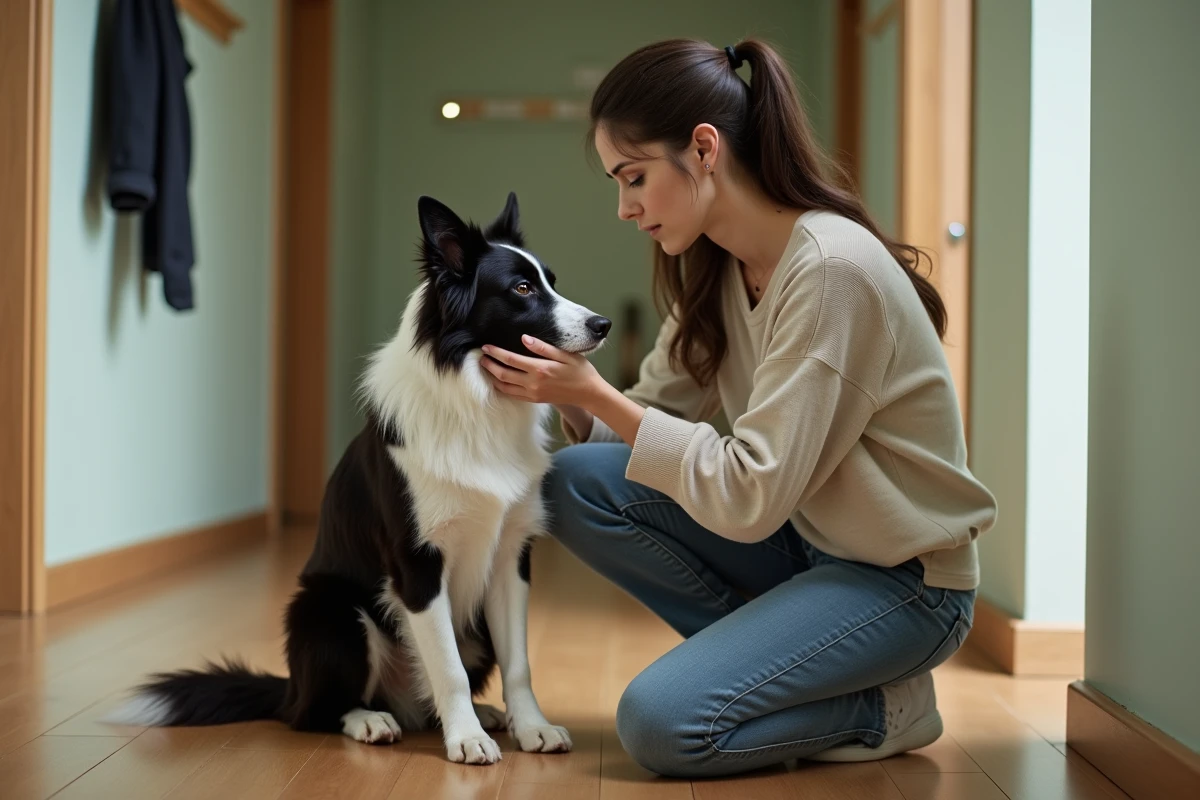
Salons that implement so-called “low stress handling” protocols report a significant decrease in the number of dogs that are exhausted or prostrate at the end of the session. We recommend checking several points before entrusting your animal.
- Does the salon offer regular breaks during the session, especially between the bath and clipping, to allow the dog to decompress?
- Is gradual desensitization practiced for puppies or dogs adopted later, with short visits without full grooming before the first real session?
- Is the dryer used adjustable in airflow and temperature, or is it a single high-pressure cold air model?
- Does the groomer agree to split the session into two close appointments for particularly anxious dogs?
Splitting sessions represents an additional cost, but it radically changes the dog’s state upon return. A two-part grooming (bath and drying one day, clipping and finishing a few days later) divides the sensory load and allows the skin microbiota to stabilize between the two interventions.
Normal behaviors and warning signals to distinguish
A dog that sleeps more than usual on the evening of grooming, rubs against furniture, or walks differently for a few hours is reacting as expected. These behaviors reflect a sensory recalibration: the animal is rediscovering its own body contours after clipping, and the new skin sensations temporarily destabilize it.
On the other hand, persistent whimpering, a total refusal to get up, a prostration lasting more than 24 hours, or compulsive licking of a specific area signal a problem that goes beyond simple post-grooming fatigue. Irritation from the clipper blade, a clipper burn, or joint pain exacerbated by the position on the table require prompt veterinary consultation.
Fatigue after grooming is neither abnormal nor inevitable. It depends on the duration of the session, the individual sensitivity of the dog, its medical history, and the groomer’s method. Adapting the protocol to the animal, rather than the other way around, remains the most effective lever to ensure that the return home does not resemble a convalescence.