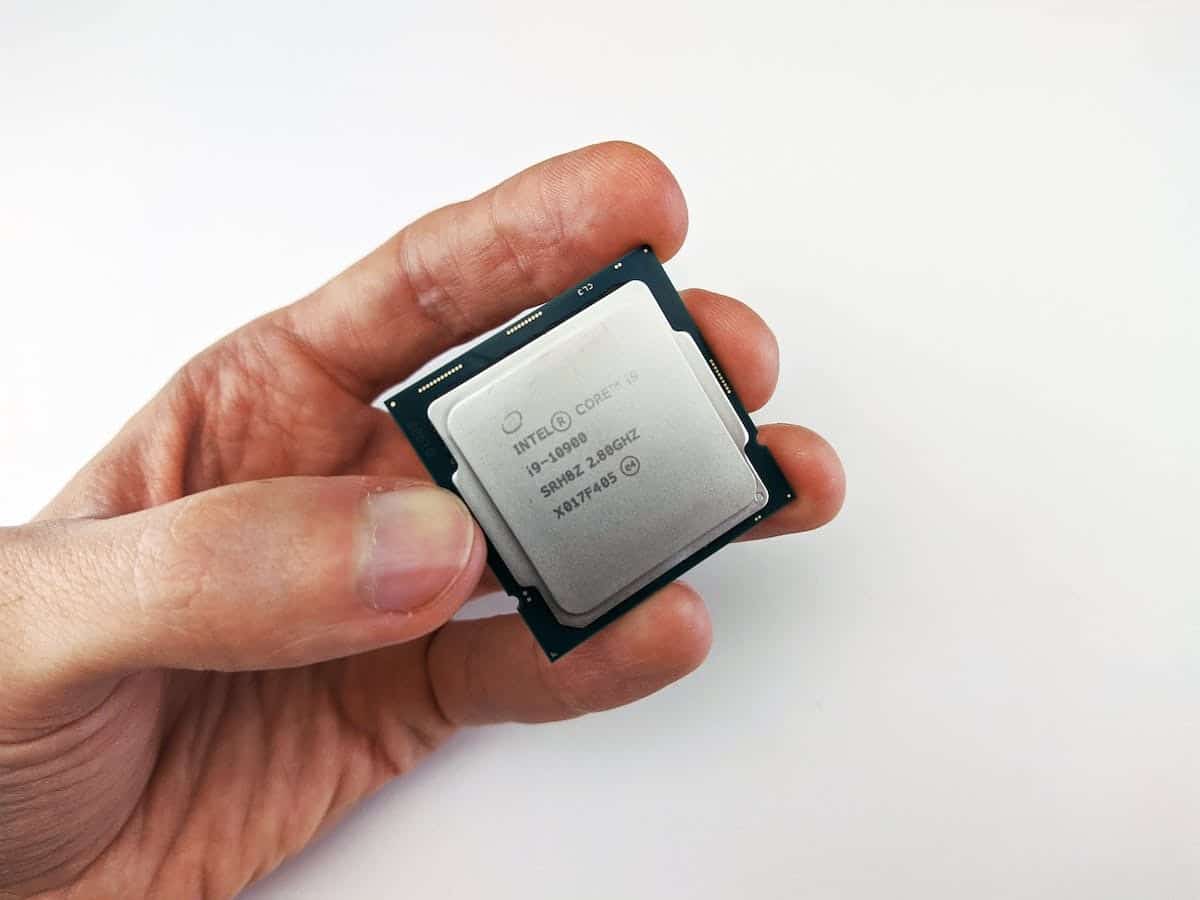
Let’s dive into the complex world of computing by exploring two major players in the microprocessor industry: Intel Pentium and Intel Core. These two names, although both under the Intel umbrella, represent distinct classes of chips. Understanding their differences and respective strengths is essential for any computer enthusiast, whether choosing a new computer or embarking on building their own machine. By deciphering the subtleties between these two types of processors, we will illuminate their technological potential, optimal applications, and comparative performances.
Intel Pentium and Intel Core: the evolution of processors
The origins of Intel Pentium and Intel Core processors date back several decades. It all began with the legendary Intel Pentium in 1993, which revolutionized the microcomputer industry with its unprecedented computing power. This first generation of Pentium paved the way for a series of major innovations in the following years.
Intel launched the Intel Core processor range, marking a turning point in technological evolution. The first models were named ‘Core Duo’ and were introduced to the market in 2006. They offered a more advanced architecture than that of the Pentium, allowing for better multitasking management and enhanced performance.
Since then, various models of Intel Core processors have emerged: Core i3, Core i5, and Core i7. Each of these variants has improved over the previous model in terms of execution speed, energy efficiency, and graphical capabilities.
Today, advancements continue with the latest generations such as the tenth generation Intel Core processors (‘Comet Lake’) or third generation (‘Tiger Lake’), which incorporate further optimizations to enhance overall performance.
It is important to consider your specific needs when choosing between an Intel Pentium processor or an Intel Core processor. The choice will depend on the intended use, whether for light office tasks or more demanding activities like video editing or gaming.
In summary, the main difference between Intel Pentium and Intel Core processors lies in their performance levels. Intel Pentium processors are ideal for basic everyday use, while Intel Core processors offer superior power to meet the needs of advanced users. Whether you are a casual user looking for a smooth and fast experience or an intensive user wanting to fully exploit your machine’s potential, making the right choice in processor is imperative.

The technical specifications of Intel Pentium processors
Intel Pentium processors stand out due to their specific technical characteristics that make them suitable for certain types of users. Equipped with a solid and reliable architecture, these processors provide satisfactory performance for handling everyday tasks.
The operating frequency of Intel Pentium processors is a key element. It determines the speed at which the processor executes calculations. Recent models offer a frequency ranging from 2 GHz to 4 GHz, allowing them to meet basic user needs without major issues.
Intel Pentium processors are generally equipped with two physical cores (Dual-Core), although some models may have four cores (Quad-Core). These additional cores allow for better multitasking management by efficiently distributing workloads across different processing units.
In terms of cache memory, Intel Pentium processors typically feature between 1 MB and 4 MB. The cache memory plays a crucial role in speeding up CPU operations by temporarily storing frequently used data close to the processor core.
The integrated graphics support is also a notable feature of Intel Pentium processors. They generally include an integrated graphics chip capable of running various programs and multimedia applications without the need for a dedicated graphics card.
Intel Pentium processors are designed to be energy-efficient. This means they consume less electricity and therefore generate less heat compared to more powerful processors. This energy efficiency makes them an ideal choice for laptops and embedded systems where battery life is a priority.
It should be noted that these technical characteristics of Intel Pentium processors should not be directly compared to those of high-end Intel Core models.
The technical specifications of Intel Core processors
Intel Core processors, on the other hand, are distinguished by their advanced technical characteristics that make them high-end solutions for demanding users. They are designed to deliver exceptional performance and meet the most complex needs.
The operating frequency of Intel Core processors is generally higher than that of Pentium processors. These chips can reach up to 5 GHz, ensuring unprecedented execution speed when handling the heaviest tasks.
In terms of number of cores, Intel Core processors offer various configurations ranging from two cores (Dual-Core) to eight cores (Octo-Core).
Intel Pentium: performance that meets expectations
Now let’s discuss the performance of Intel Pentium processors, which occupy an intermediate position between entry-level processors and the Intel Core series. Although less powerful than the latter, Pentium processors still offer solid performance for everyday use.
The operating frequency is one of the key factors to consider when evaluating a processor’s performance. Intel Pentium processors often feature a high operating frequency, allowing them to quickly execute daily tasks such as web browsing, word processing, and streaming video.
In terms of number of cores, Intel Pentium processors generally offer two or four cores. This means they can efficiently handle multiple tasks simultaneously, thereby enhancing the overall user experience.
Intel Core: powerful and high-performance processors
Now let’s analyze the performance of the prestigious Intel Core processors. This high-end processor range is specifically designed to meet the needs of power and performance-demanding users.
A key aspect that distinguishes Intel Core processors is their advanced architecture. They are based on Intel’s renowned microarchitecture, providing maximum efficiency in executing the most complex tasks. Their design allows for better instruction management and an increased capacity to handle multiple threads simultaneously.
Intel Core processors come in different series, such as i3, i5, i7, and i9. Each series offers an increasing level of performance to meet the specific needs of users.