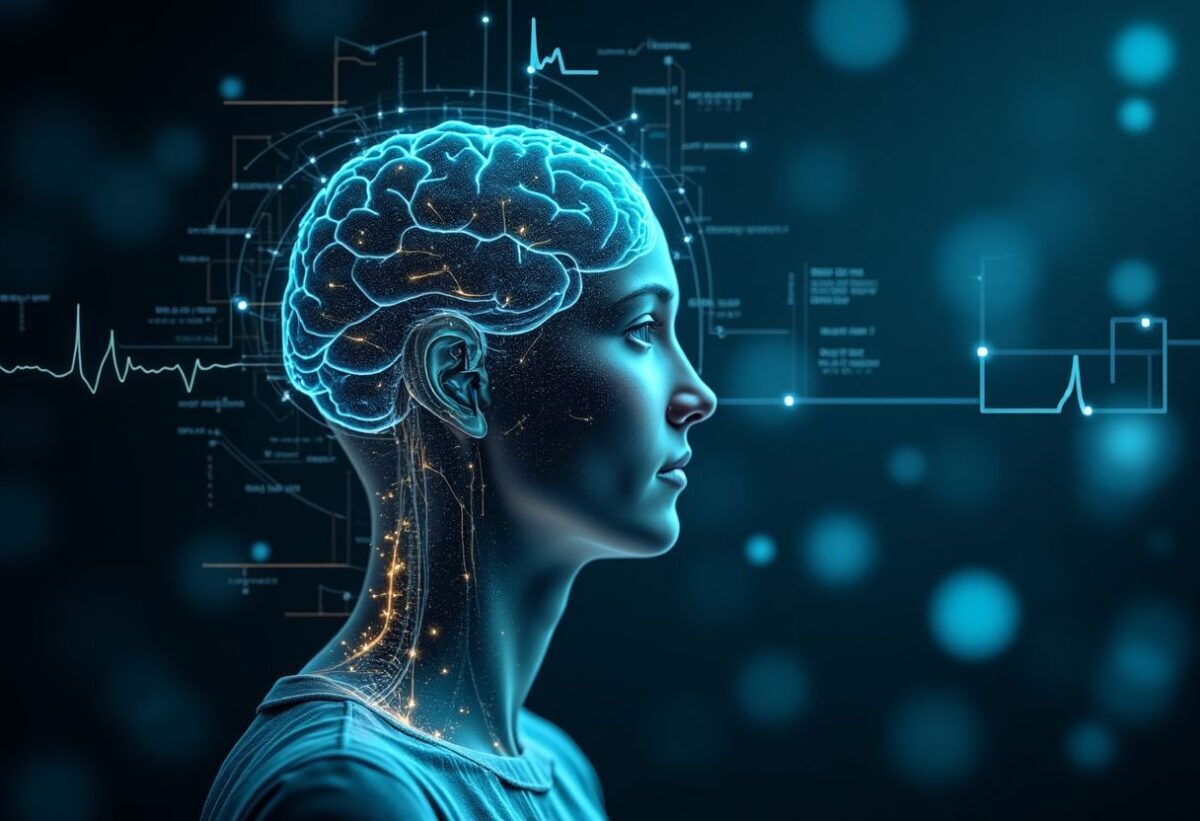
Psychotechnical tests, evaluation tools at the intersection of psychology and technology, play a crucial role in many fields of application today. From professional selection to cognitive assessment, these tests serve to determine mental abilities, specific aptitudes, and personality traits. Their relevance intensifies in an increasingly demanding and competitive world, where human skills must be understood, measured, and developed precisely.
Origins and evolution of psychotechnical tests
The history of psychotechnical tests, although little known, is rich and fascinating, evolving over the centuries to become what it is today.
The first attempts to assess human abilities date back to Antiquity, but it was in the 19th century that the first formalized tests appeared. Francis Galton was a pioneer in this field, laying the foundations of psychometrics. With the advent of scientific psychology, they began to be used in various contexts, from schools to battlefields.
The 20th century saw an explosion of these tools, thanks to the rise of psychology and the emergence of more sophisticated instruments. The period of the world wars particularly accelerated their development, with increased needs for selection and placement of soldiers. Today, their evolution continues, integrating innovative technological elements to improve the accuracy and reliability of results.
Modern applications and fields of use
Psychotechnical tests stand out in various sectors, illustrating their flexibility and adaptability to diverse needs.
- Professional selection: Employers and recruiters frequently rely on these tests to identify the most capable candidates. They provide an overview of technical skills, resilience to stress, and adaptability.
- Educational and career guidance: Young people and adults seeking career changes greatly benefit from these assessments. They help highlight natural aptitudes and interests, facilitating informed choices.
- Personal development: For those engaged in a path of continuous improvement, these tests offer a space for exploration and self-understanding, helping to identify areas for growth.
- Driving licenses: In some cases, taking psychotechnical tests before obtaining a license is required, ensuring that the candidate possesses the necessary cognitive and psychomotor skills for safe driving.
Structure and content of psychotechnical tests
Understanding the structure of psychotechnical tests is essential to grasp their effectiveness and relevance in various fields.
These tests generally consist of several sub-tests, each targeting a specific aptitude. They often include verbal questions to assess comprehension and expression, numerical elements to measure calculation and logical reasoning abilities, and spatial exercises to test the ability to mentally manipulate shapes.
Other sections may include memory challenges or personality tests that seek to identify an individual’s behavioral and emotional traits. The goal is to provide a comprehensive overview of cognitive and non-cognitive abilities, helping to establish a detailed profile of the tested individual.
Impact and limitations of psychotechnical tests
It is essential to recognize that, despite their usefulness, psychotechnical tests are not without limitations and raise certain ethical questions.
Their impact is undeniable, as they allow for objective decisions that can transform lives, whether in the context of recruitment or educational guidance.
However, critics point out that these tools can sometimes reflect cultural biases or fail to account for the full range of human abilities.
Moreover, questions arise regarding privacy and the use of collected data. Although measures are being taken to improve their fairness and reliability, constant vigilance is necessary to ensure the ethical and responsible use of these tests.