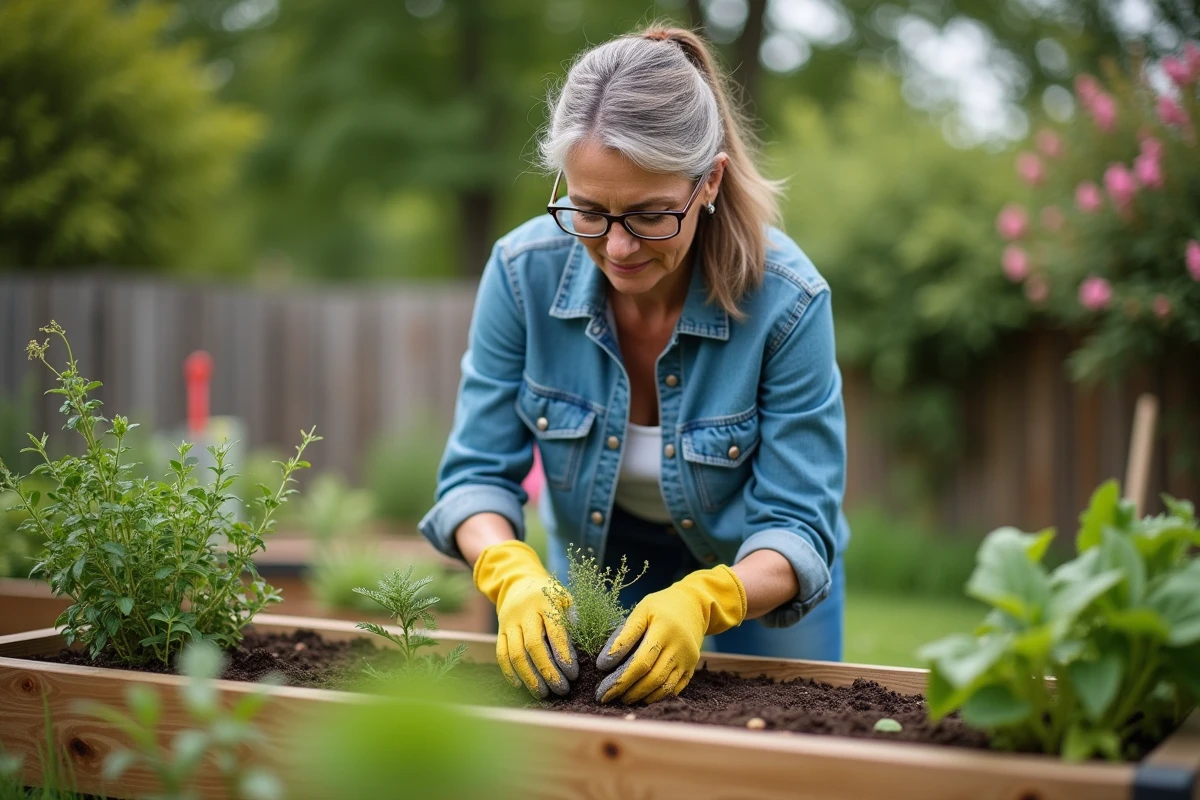
Six out of ten. That’s the raw statistic: more than half of amateur gardeners are surprised by the whims of their flower beds, while the cause often lies beneath their feet or in their daily choices. The garden rewards neither approximation nor ready-made recipes.
Many are unaware, but an over-nitrogenated soil stifles the flowering of ornamental plants. Yes, overfeeding can be harmful. Some varieties, like lavender or thyme, require the austerity of poor soil to unleash their full potential. Wanting to enrich everything sometimes means missing the essential: for certain plants, sobriety remains the best ally.
In small gardens, crop rotation may seem unnecessary. However, it acts as a barrier against stubborn diseases and pests. Even on a few square meters, disrupting the established order, moving vegetables around, offers the soil a respite and the harvests renewed vigor. As for direct sowing, don’t be trapped by the official calendar: with a hardy variety and a sheltered spot, trying the experience off-season can sometimes yield delightful surprises.
Understanding the basics of a successful garden: soil, climate, and organization
A thriving vegetable garden, a lush flower bed: nothing is left to chance. It all starts with the quality of the soil, this living ground, too often overlooked. Sand, clay, silt… each structure requires understanding. Touch, observe, test water retention, pH, texture. This diagnosis guides the choice of garden plants and how to nourish the soil without falling into excess.
The climate sets the pace. A sunny nook, the protection of a wall, the passage of a cool breeze… Everything influences the success of sowing and the health of the crops. Scrutinize the folds of the land, identify late frost zones, anticipate heatwaves. Adapting your actions to the whims of the weather gives each plant the best chance.
A well-thought-out garden also means fewer chores. Relying on the principles of permaculture means mixing species, creating natural alliances, limiting treatments and watering. Organize the paths, alternate plant families, vary the demanding crops and green manures: a sustainable and effective balance is built.
For further exploration, resources like jardiner-facile.com offer a wealth of sound advice. From choosing species to planning rotations, relying on this expertise means progressing methodically while allowing nature to express itself at every stage.
What actions to adopt for ecological and sustainable gardening?
Every action counts when aiming for a vibrant garden. Composting, far from being just a pile of peels, transforms your waste into a treasure for the soil. Mix brown and green materials: dead leaves, cut grass, kitchen scraps. Gradually, the soil enriches itself, without chemicals or artifices.
To maintain the vitality of the garden, prioritize gentleness. Hand weeding preserves soil life. Mulching, by covering the ground, limits evaporation and slows the regrowth of invasives. Practicing crop rotation protects soil fertility and keeps diseases at bay without aggressive treatments. Fewer inputs, more resilience, a balance that settles over the seasons.
Water, a precious resource, requires careful management. Installing a rainwater collector, watering during cool hours, targeting the base of plants rather than watering indiscriminately… These adjustments change the game for robust crops even in dry periods.
Here are some concrete practices to adopt for a more respectful garden:
- Water-saving tips: mulch generously, choose drought-resistant plants, target watering close to the roots.
- Biodiversity advice: preserve some wild corners, plant varied hedges and flowers for pollinators.
Sustainable gardening also means accepting the unexpected. Observing wildlife, adjusting methods, learning from each trial. The garden then becomes a dialogue between human hands and the logic of life.
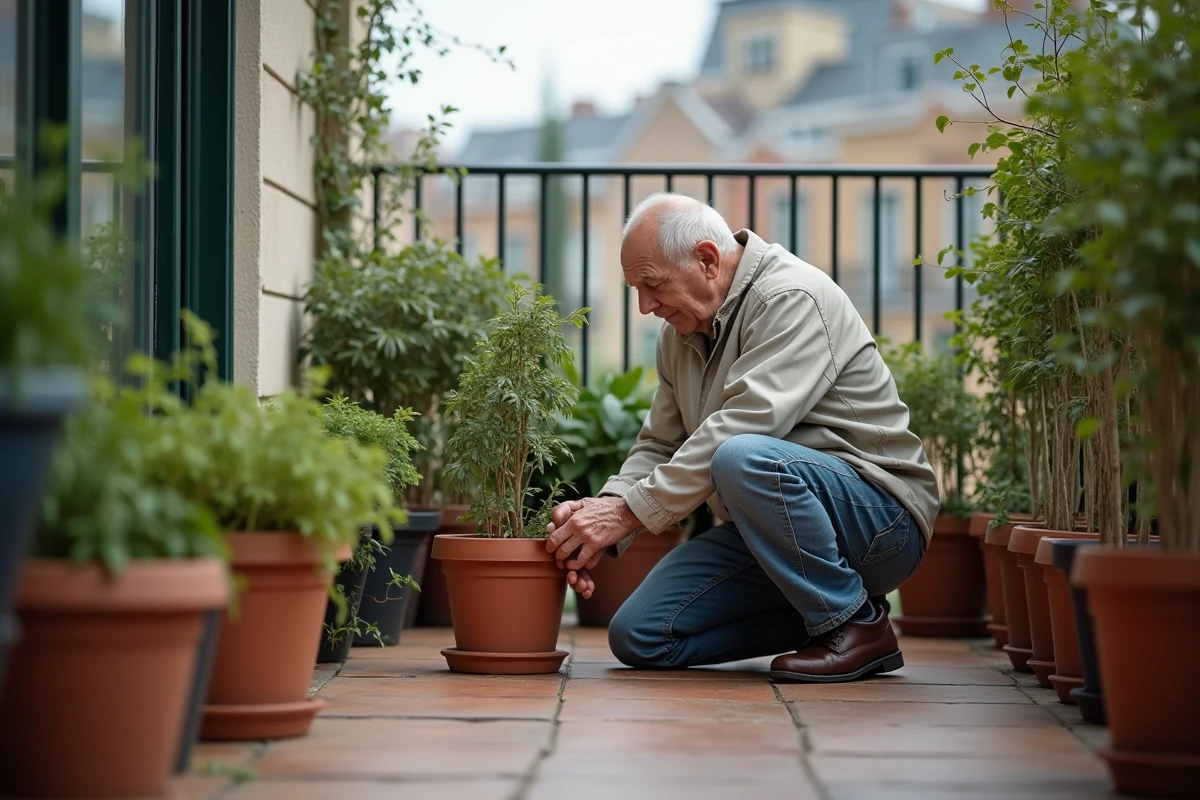
Planning your garden month by month: practical tips for each season
Anticipation is key. In winter, we prepare more than we plant. January and February invite us to review equipment, sort seeds, and think about the structure of the soil. By March, it’s time for the first sowings under cover: salads, radishes, carrots find their place. Potatoes are still waiting, while peas and broad beans brave the early spring chill.
April and May mark the real start. Sowing moves to open ground, young plants take root. Attention turns to weeding, careful watering, and setting up mulch to protect and nourish. In June, watch for the first pests and encourage beneficial life: install companion plants, provide shelter for natural allies.
For each season, certain actions are essential:
- Summer: water during cool times, harvest at the right moment, watch for signs of disease.
- Autumn: sow green manures, prune, clean up, prepare the soil for the next year.
- Winter: protect what fears the cold, aerate the soil, already think about future crop rotations.
A thriving vegetable garden relies on a fine understanding of the calendar, regular observation, and the ability to react to the whims of the weather. Season after season, we refine our actions, adjust our choices, and savor the pleasure of a living space built on patience and tenacity.