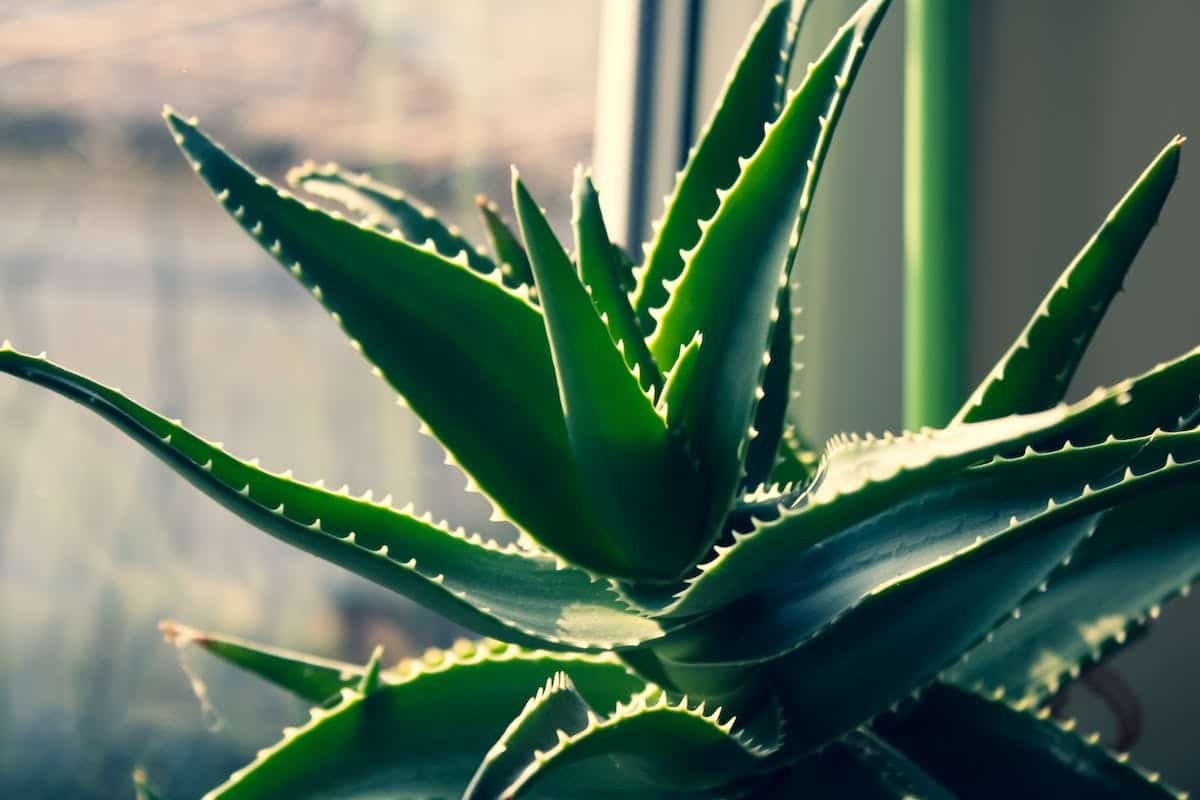
Aloe vera, an exceptional plant known for its numerous medicinal and cosmetic virtues, can sometimes show signs of distress. A common sign of this malaise is wilting or dropping leaves. Numerous factors can be behind this phenomenon, such as overwatering, lack of light, or poor soil quality. With particular attention and appropriate care, it is entirely possible to maintain the health of your aloe vera. Let’s explore together the best practices to keep your plant in top shape, from watering to exposure and soil choice.
Aloe vera: its origins and characteristics
One of the most common indicators of watering problems is the presence of soft and drooping aloe vera leaves. This is a clear signal that your plant may be suffering from either too much or too little water. A common mistake made by many succulent plant owners, such as those with aloe vera, is to overcompensate for their water needs.
If you notice soft and drooping aloe vera leaves, you may be overwatering your plant. Aloe vera does not need much water to survive; in fact, it thrives on very little. This plant is drought-resistant due to its natural ability to store water in its thick, wide leaves, which can unfortunately become soft when the plant receives too much or too little water.
Ideally, the soil should be well-draining so that it remains slightly moist but never waterlogged. If your leaves are soft and falling, it is likely because the roots are saturated with water, causing them to rot and consequently leading to poor nutrient absorption by the aloe vera.
Light also plays a crucial role in avoiding these unpleasant situations. Although they need sunlight to grow and thrive effectively, excessive exposure to UV rays during hot hours can scorch their delicate fleshy leaves while excessively drying out the soil around them.
It is imperative to maintain a balance between providing enough light without causing overheating, as this could severely compromise their ongoing health.
Carefully observing your plant is essential: if you identify the phenomenon of soft and drooping aloe vera leaves, you must immediately adjust your cultural practices in terms of light levels, watering frequency, and volume.
Light and watering: the needs of aloe vera
If you want to prevent your aloe vera plant from dropping leaves, here are some valuable tips to consider. Make sure to choose a proper pot for your aloe vera. Opt for a terracotta or ceramic pot that allows for good air circulation and effective drainage.
Be sure to use a substrate suitable for succulent plants. A mix of special cactus soil and coarse sand will promote healthy root development and prevent any excess stagnant water.
Also, maintain a regular but moderate watering routine. It is best to wait until the soil is completely dry before watering again. Always use non-calcareous water or let tap water sit for 24 hours so that minerals settle at the bottom.
Feel free to place your plant near a window that receives bright indirect light. Aloe vera loves brightness, but you should avoid direct sunlight that can scorch its delicate leaves.
Also, consider fertilizing your plant twice a year with a specific fertilizer for cacti and succulents diluted in water during spring and autumn watering.
Carefully monitor your plant for any signs of pest or fungal infection, such as black spots on the leaves or visible insects. If necessary, treat your aloe vera with natural products or consult a specialist.
By following these simple tips, you can prevent your aloe vera plant from dropping leaves and fully enjoy its benefits. Remember that each plant is unique, so adapt your care according to the specific needs of your aloe vera. Taking care of this succulent plant is neither complicated nor tedious; it simply requires regular attention and a few appropriate actions.
Preventing your aloe vera plant from dropping leaves: our tips
Be sure to closely monitor your aloe vera plant to detect any signs of health problems. Here are the signals you should pay particular attention to:
Yellowing leaves: If the leaves of your plant begin to yellow, this may indicate overwatering or insufficient light exposure. In this case, adjust your watering habits and move your plant to a brighter location.
Wrinkles on the leaves: Wrinkles appearing on the leaves may be a sign of lack of water. Ensure that your aloe vera receives enough moisture by regularly checking the state of the soil.
Brown or black spots: Brown or black spots on the leaves may indicate a fungal or bacterial infection. It is crucial to act quickly by removing the affected parts and treating the plant with natural antifungal or antibacterial products.
Rotten roots: When repotting your aloe vera, take the time to check the condition of the roots. Soft and brownish roots are often the result of overwatering or poor soil drainage.
Discoloration of spines: Dark yellow-green spines are chronic indicators. This can occur due to unfavorable lighting conditions or disease. Ensure that your plant receives enough light and examine it regularly for any signs of illness.
Slowed growth: If your aloe vera seems to be growing more slowly than before, this may be a sign of nutrient deficiency in the soil. In this case, consider using a specific fertilizer for succulent plants to stimulate growth.
Insect infestation: The presence of insects on the leaves or around the pot can harm the overall health of your plant. Regularly inspect your aloe for any signs of infestation and take appropriate measures if necessary.
By keeping a close eye on these various signals, you will be able to prevent and address potential problems that may affect the health of your aloe vera plant. Remember that each plant is unique and requires its own level of care, so observe your aloe vera closely and adjust your practices accordingly.
Health of your aloe vera plant: signs to watch for
Now let’s look at some additional tips for caring for your aloe vera plant and preventing it from succumbing to diseases or unfavorable conditions.
Be sure to choose the right pot for your aloe vera. Opt for a terracotta pot that offers good air circulation and allows for adequate drainage. Also, ensure that the pot is large enough to accommodate the plant’s future growth.
Regarding watering, remember that aloe vera is a drought-resistant plant. It is better to underwater than to overwater, as excess water can lead to problems such as root rot. Allow the soil to dry completely between waterings and be sure to empty any excess water from the pot’s saucer.
Light exposure also plays a crucial role in the health of your aloe vera. This plant loves bright spots but should be protected from direct sunlight during the hottest hours, which could scorch its fleshy leaves.
For soil, prioritize a well-draining substrate specially formulated for succulent and cactus plantings. You can also add sand or fine gravel to the mix to further improve drainage.
Regularly feeding your aloe vera with fertilizers specific to succulent plantings can promote its growth and strengthen its resistance to diseases. Follow the instructions on the fertilizer packaging to determine the frequency of use.
Take the time to regularly clean the leaves of your aloe vera to remove accumulated dust that can hinder their ability to absorb sunlight. Use a soft damp cloth or a soft-bristled brush to perform this delicate task.
By following these simple yet essential tips, you will be able to preserve the health and beauty of your aloe vera plant for many years. Feel free to observe your plant closely and adjust your practices according to its specific needs. Your diligence will be rewarded with a lush and vigorous plant that adds a soothing natural touch to your home or garden.