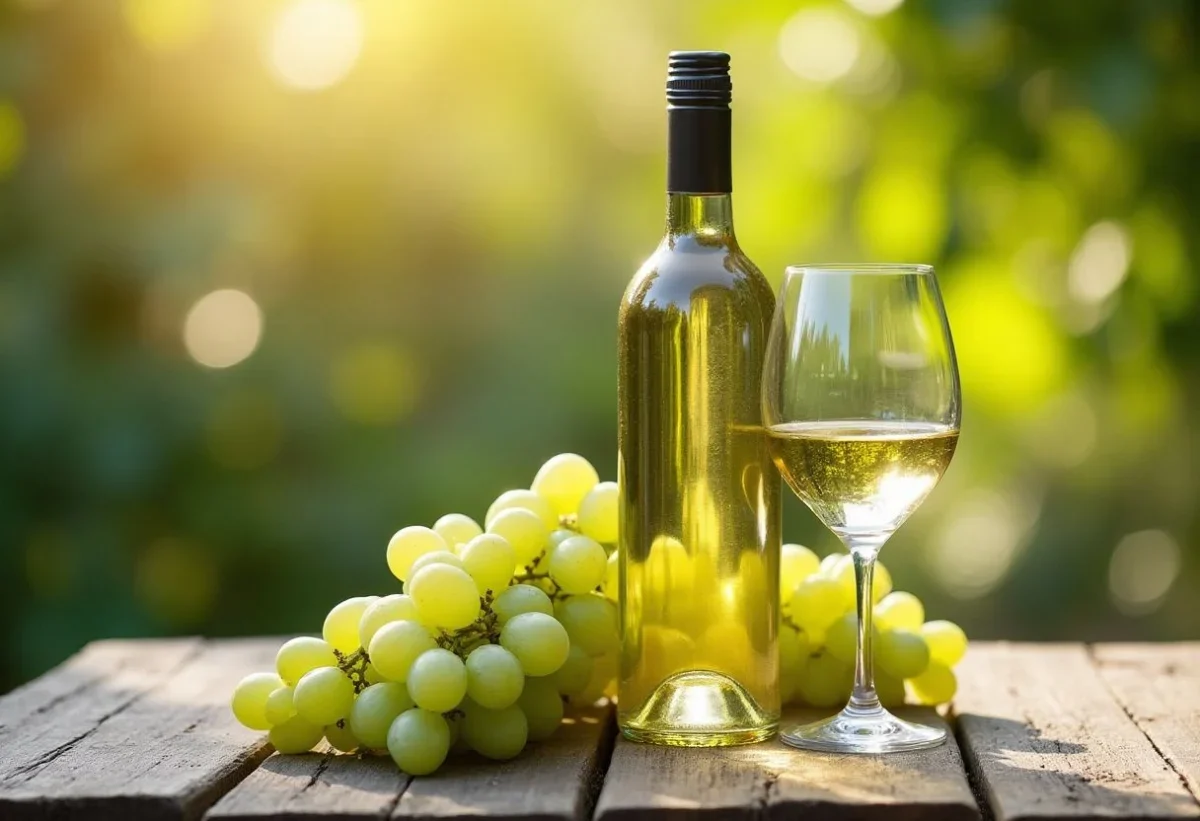
Chablis, this treasure of northern Burgundy, fascinates as much as it seduces. Far from being just a simple appellation, this white wine is rooted in a rich and complex winemaking tradition, where the art of terroir shines brightly. Its unique freshness and minerality, derived from the region’s limestone soils, set it apart from other white wines. This perfect marriage between nature and ancestral know-how gives Chablis a place of honor on tables around the world. Let us embark together on a journey to discover the characteristics that make this exceptional wine renowned.
Origins and history of Chablis wine
The history of Chablis wine dates back several centuries, finding its roots in the Chablis region located in northern Burgundy. This wine owes its fame to unique geographical and historical factors that have shaped its identity.
The limestone soils of the region, formed about 150 million years ago during the Kimmeridgian era, play a fundamental role in the development of its characteristic aromas and flavors. The vine thrives here, absorbing the minerals that give Chablis its famous minerality.
The Cistercian monks, in the 12th century, contributed to the rise of this wine by developing vineyards and improving winemaking techniques. Their legacy endures, still influencing production methods today.
Chablis has traversed the ages, maintaining its authenticity and typicity. Even in the face of phylloxera crises and climatic uncertainties, producers have managed to preserve the essence of this wine, which is now appreciated across the globe.
Distinctive characteristics and terroir
The terroir of Chablis is an essential element that gives this wine its uniqueness. Geological, climatic, and human characteristics intertwine to create a product of exceptional quality.
- Geology: the soils of Chablis are primarily composed of limestone and marl from the Kimmeridgian era, offering a unique mineral richness that is reflected in the wine’s profile.
- Climate: the semi-continental climate of the region, marked by harsh winters and warm summers, is conducive to the development of Chardonnay grapes, which find here an ideal setting to express their finesse.
- Grape variety: Chardonnay, the only grape variety allowed for the Chablis appellation, thrives in this specific terroir, allowing it to develop delicate aromas of fruits, flowers, and a sharp minerality.
- Know-how: the winemakers of Chablis have perfected their craft over generations, integrating traditional and modern techniques to produce wines of remarkable precision and elegance.
Types of Chablis and tasting
Tasting Chablis wines is a unique sensory experience that varies according to the type of Chablis. Each category offers distinct notes and its own complexity, allowing every wine lover to find their delight.
- Chablis: the standard Chablis is often considered the most accessible. It is characterized by its freshness and aromas of citrus and white flowers.
- Petit Chablis: produced on limestone plateaus, it presents a liveliness and lightness that make it perfect for young consumption.
- Chablis premier cru: sourced from privileged plots, this wine offers increased complexity with aromas of ripe fruits and a denser structure.
- Chablis grand cru: at the top of the hierarchy, this wine expresses all the power and richness of the terroir, with notes of candied fruits and a long persistence on the palate.
Food and wine pairings
Chablis, with its versatility, pairs harmoniously with a variety of dishes. Its mineral character, freshness, and aromatic complexity make it an ideal partner for refined and elegant cuisine.
- Seafood: oysters, shellfish, and delicate fish pair wonderfully with the liveliness of Chablis, highlighting their briny freshness.
- White meats: dishes such as creamy chicken or veal are complemented by the aromatic finesse of Chablis wine.
- Cheeses: aged cheeses, such as goat cheese or Comté, reveal their character when paired with the minerality of Chablis.
- Exotic dishes: Asian cuisine, with spicy or sweet-and-sour dishes, pairs surprisingly well with certain cuvées of Chablis, offering a subtle balance.
Chablis, with its diversity and unique character, continues to captivate wine lovers around the world. Its exceptional terroir, ancestral production techniques, and elegance make it an extraordinary wine. Whether enjoyed alone or accompanied by refined dishes, it reflects the rich winemaking heritage of Burgundy and promises an unforgettable tasting experience, marked by its finesse and originality.